
Custom ERP Solutions
Custom ERP Development
Cost & Pricing Guide
Custom ERP Development Cost
How Much Does Custom ERP Development Cost in 2026?
Custom ERP development typically ranges from $10,000 to $500,000+, depending on workflow complexity, integrations, and customization depth. The cost is primarily driven by how your business operates and how complex your processes are — not a fixed feature list.
With over 10 years of ERP implementation experience across manufacturing, logistics, and eCommerce, we've delivered ERP systems at every price point. This guide breaks down what actually drives cost and how to get an accurate estimate for your specific requirements.
Get a Free Cost Estimate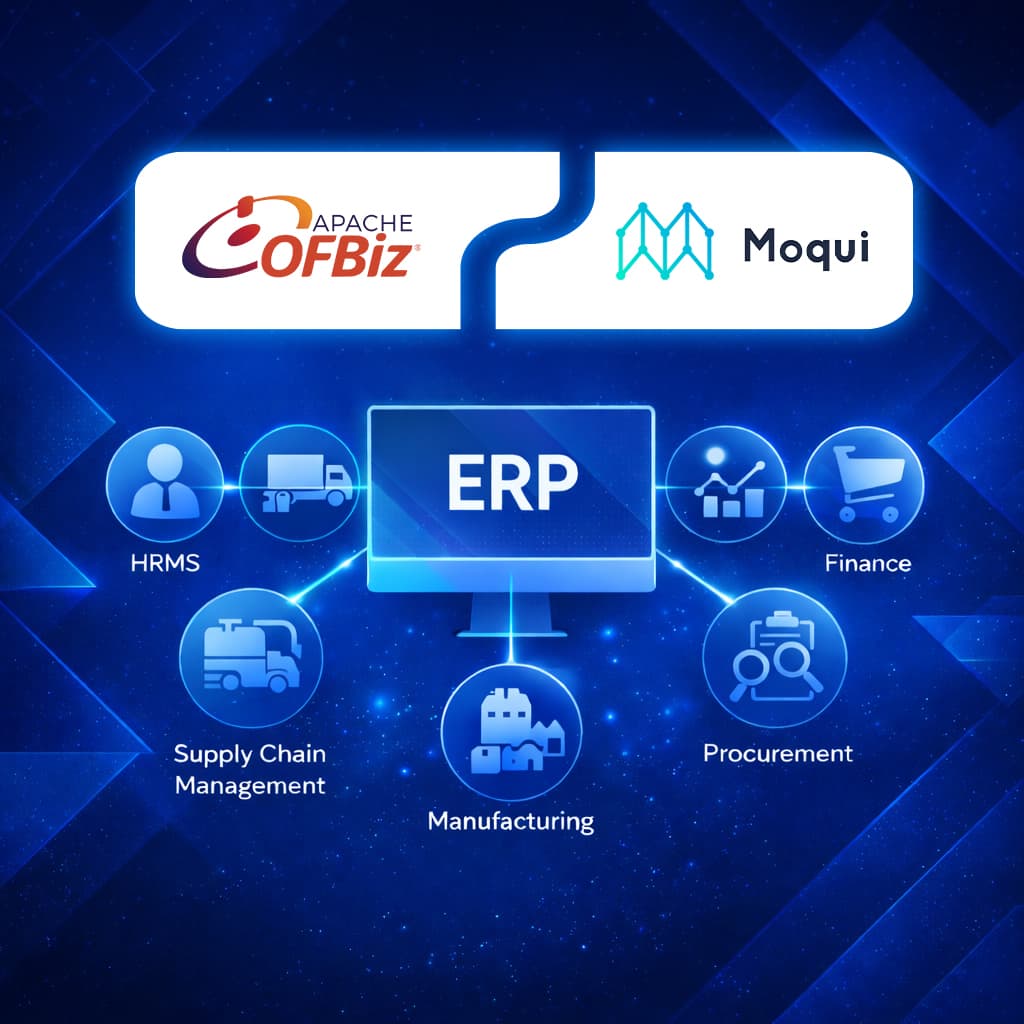
What Drives Custom ERP Development Cost?
Customization is the biggest cost driver — not features. When ERP systems need to reflect unique business logic, non-standard workflows, or complex operational rules, development effort increases significantly. Integrations are the second major driver: connecting a new ERP to eCommerce platforms, warehouse systems, accounting software, and payment gateways consistently accounts for more budget overrun than core module development.
User experience is another factor. ERP systems with modern dashboards, role-based interfaces, mobile responsiveness, and custom reporting require more front-end investment. In most projects we've worked on, underestimating integration complexity and UI scope is the primary reason costs exceed initial estimates.
Realistic ERP Pricing Ranges by Complexity
Basic ERP systems ($10k–$40k): designed for small teams with minimal workflow customization and no third-party integrations. Covers core modules like inventory, orders, or basic finance for straightforward operations.
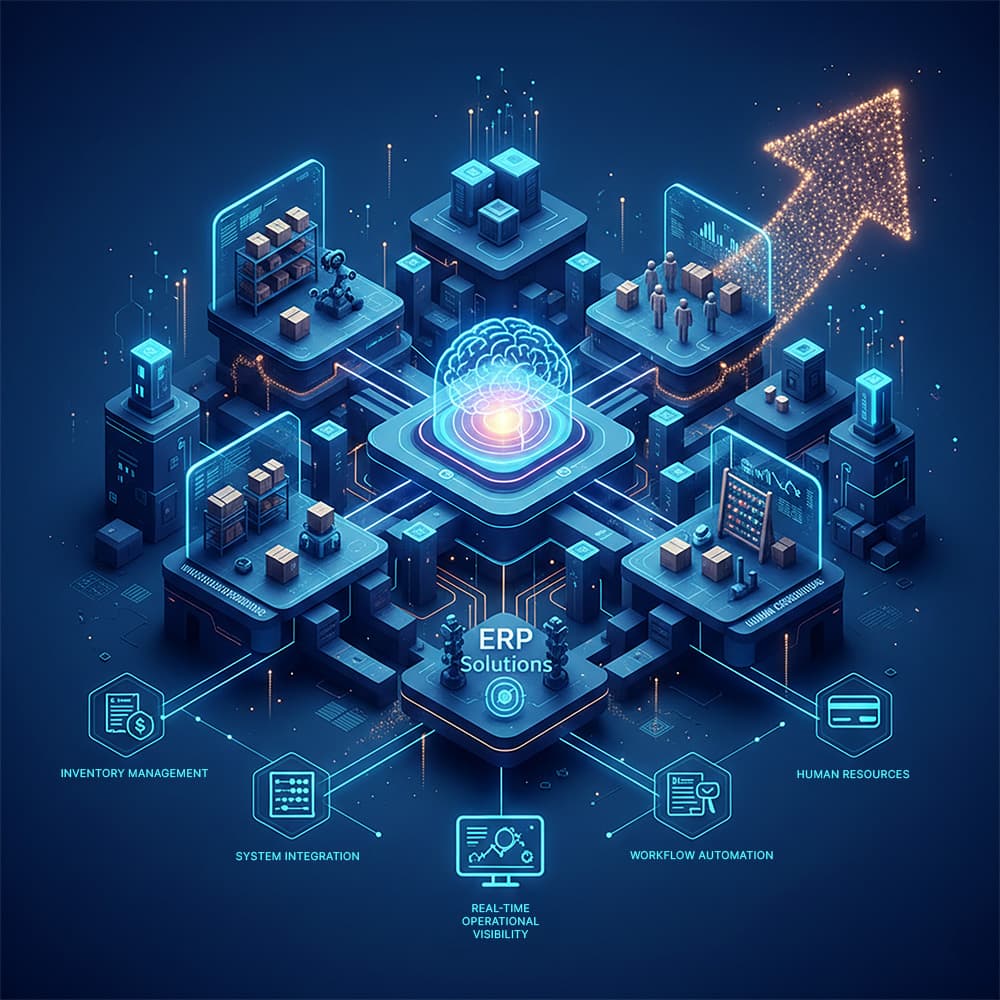
Mid-range ERP systems ($40k–$120k): for growing businesses requiring multiple modules, third-party integrations, workflow automation, and reporting. This is where most logistics, manufacturing, and eCommerce ERP projects fall. Advanced enterprise ERP ($120k+): multi-location, multi-entity operations with heavy automation, complex integrations, AI-driven analytics, and manufacturing or supply chain complexity. These systems are built to scale for years without rearchitecting.
Hidden Costs Most Businesses Miss
The development quote is rarely the full picture. Data migration from legacy systems, spreadsheets, or disparate tools requires significant analysis, cleansing, and validation effort. User training alone can take 2–6 weeks depending on team size and system complexity. These are real project costs that should be budgeted from the start.
Post-launch changes are the most common source of budget overrun — typically adding 15–30% to total project cost. Requirements evolve once users interact with the system in production. Building an iterative development model with a maintenance budget prevents surprises and ensures the system continues to improve after go-live.
Custom ERP vs Off-the-Shelf: Real Cost Comparison
Off-the-shelf ERP software appears cheaper upfront but often becomes expensive once businesses start working around its limitations — buying add-on modules, paying per-user licensing at scale, and building custom workarounds for workflows the system doesn't support. SaaS ERP subscription costs compound year over year.
Custom ERP built on open-source frameworks like Moqui Framework or Apache OFBiz eliminates licensing fees entirely and gives you complete architectural control. The initial investment is higher, but total cost of ownership over 5–10 years consistently favours custom open-source for any business with operational complexity above the basic level. Most ERP failures happen when businesses force complex workflows into rigid SaaS systems.


Real-World Experience: Over 10 Years, 100+ ERP Implementations
Our team has delivered custom ERP solutions across manufacturing, logistics, eCommerce, and retail for clients in the US and Europe. One example is our work with MPstyle, a fashion manufacturing business, where we implemented a custom ERP system to centralise production, inventory, and order workflows — improving operational visibility, accelerating order processing, and reducing production inefficiencies.
In each engagement, we start with business requirement analysis and workflow mapping before any development begins. This investment in understanding your operations upfront is what produces accurate estimates and successful implementations — not line-item feature lists that change the moment development starts.




Talk to Us
How May We Help You!

Trusted by Businesses Worldwide