The COVID-19 pandemic disrupted business operations, supply chains, workplaces, and customer demand across many industries. Organizations that relied heavily on manual processes or on-premises systems often found it difficult to maintain visibility and coordinate work while employees operated remotely.
This period increased interest in cloud-based and web-accessible enterprise resource planning systems. Businesses needed reliable access to inventory, orders, purchasing, finance, workforce data, and operational reports without requiring every employee to work from the same location.
The pandemic did not create the need for digital business systems, but it accelerated ERP modernization and encouraged organizations to treat operational resilience as a core technology requirement.
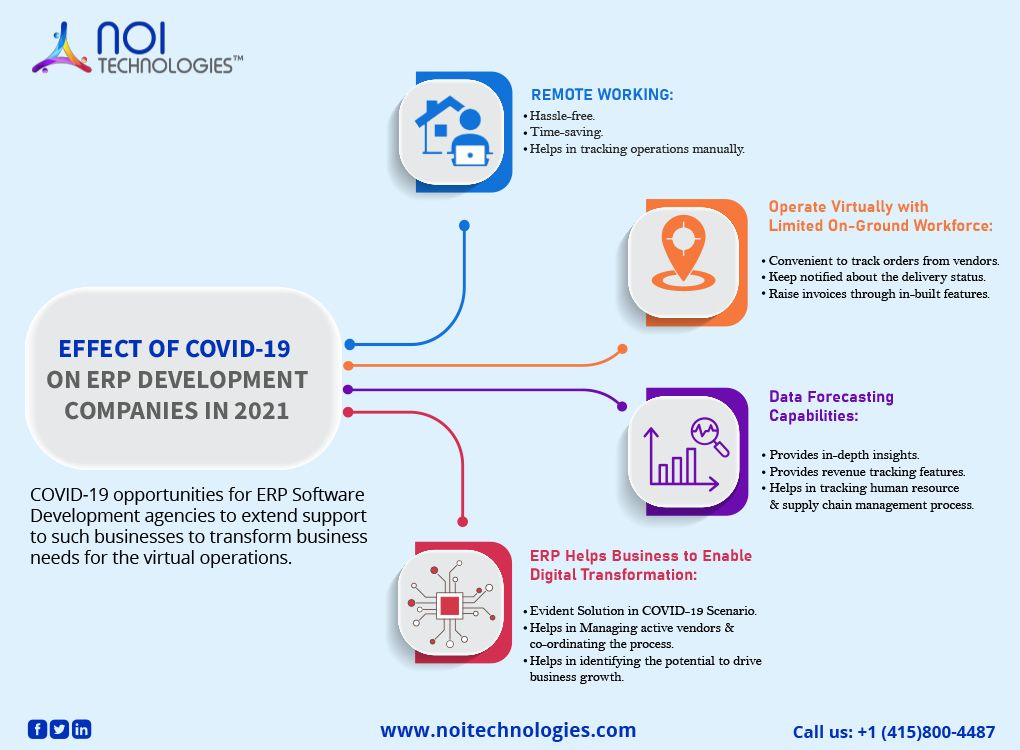
How COVID-19 Affected Business Operations
During the pandemic, many businesses faced temporary closures, employee shortages, delayed deliveries, changing customer demand, and limited access to offices or facilities.
These disruptions exposed several weaknesses in traditional business systems, including:
- Dependence on office-based software
- Limited access to operational data
- Manual approval processes
- Disconnected inventory and order systems
- Poor supply chain visibility
- Limited collaboration between departments
- Difficulty adapting workflows quickly
Organizations with connected and remotely accessible systems were generally better positioned to continue essential activities and respond to changing conditions.
How ERP Software Supported Remote Operations
Cloud-based and web-accessible ERP systems allowed authorized employees to access business information from different locations.
Depending on the implementation, an ERP system could support remote access to:
- Sales and customer records
- Purchase orders
- Inventory levels
- Supplier information
- Financial reports
- Invoices and payments
- Employee and workforce data
- Operational dashboards
Remote access alone was not enough. Businesses also needed role-based permissions, secure authentication, encrypted connections, reliable backups, and practical processes for employees working outside the office.
Greater Demand for Cloud ERP
The pandemic accelerated interest in cloud ERP because organizations wanted business systems that could be accessed without depending entirely on local office infrastructure.
Cloud ERP can provide several operational advantages, including:
- Remote system access
- Centralized business information
- Reduced dependence on local servers
- Managed backups and infrastructure
- Support for distributed teams
- Faster deployment of system updates
However, cloud deployment does not remove every technical responsibility. Businesses must still evaluate security, access controls, integrations, vendor reliability, data ownership, availability, and recovery procedures.
ERP Automation Became More Important
Employee shortages and remote work made manual processes more difficult to manage. Businesses needed systems that could reduce repetitive administrative work and keep important workflows moving.
ERP automation can support activities such as:
- Routing purchase requests for approval
- Generating invoices from completed orders
- Sending low-stock alerts
- Updating inventory after shipments
- Scheduling recurring reports
- Notifying teams about delayed orders
- Recording transaction status changes
Automation should be based on clearly documented business rules. Automating an unclear or inefficient process usually makes the problem faster rather than making it disappear.
Supply Chain Visibility Became a Priority
COVID-19 created widespread disruption across suppliers, transportation networks, warehouses, and customer demand.
Businesses needed better information about:
- Available inventory
- Incoming purchase orders
- Supplier lead times
- Delayed shipments
- Warehouse capacity
- Customer order status
- Alternative suppliers
ERP systems can connect purchasing, inventory, sales, fulfillment, and financial information. This helps teams understand how a delay in one part of the supply chain may affect other operations.
The quality of this visibility still depends on accurate data, timely updates, and reliable system integrations.
Business Continuity Became Part of ERP Planning
Before the pandemic, ERP selection often focused primarily on features, cost, and implementation time.
COVID-19 encouraged businesses to consider broader continuity requirements, including:
- Remote access
- System availability
- Backup and recovery
- Alternative workflows
- Distributed user access
- Security monitoring
- Supplier and inventory risk
An ERP system cannot prevent external disruption, but it can provide better information and more structured processes when operating conditions change.
How ERP Development Requirements Changed
The pandemic also changed what businesses expected from ERP development companies.
Organizations increasingly looked for systems that supported:
- Cloud and hybrid deployment
- Mobile and browser-based access
- API integrations
- Workflow automation
- Real-time operational dashboards
- Role-based access controls
- Remote implementation and support
- Scalable infrastructure
ERP development also required closer attention to usability. Employees working remotely needed clear interfaces, reliable access, and workflows that did not depend on informal office communication.
Lessons Businesses Can Still Apply
The operational lessons from COVID-19 remain relevant even after emergency lockdowns and widespread restrictions ended.
Avoid Dependence on One Location
Critical business information should not be accessible only from one office, device, or local server.
Connect Important Systems
Inventory, sales, purchasing, finance, and fulfillment systems should exchange reliable information instead of requiring repeated manual updates.
Document Business Processes
Important workflows should not depend entirely on one employee’s knowledge or memory.
Plan for Operational Disruption
Businesses should identify how they will handle supplier delays, employee shortages, system outages, and sudden changes in demand.
Review Access and Security
Remote access should be supported by suitable authentication, permissions, monitoring, and security policies.
Conclusion
COVID-19 accelerated changes that were already taking place in ERP development and business technology.
Cloud access, automation, system integration, supply chain visibility, and business continuity became more important as organizations adapted to remote work and operational disruption.
The long-term lesson is not simply that businesses need ERP software. They need systems that provide reliable data, support flexible operations, and help teams continue working when normal processes are interrupted.
Planning an ERP Modernization Project?
NOI Technologies provides ERP assessment, development, integration, migration, automation, and support services for businesses modernizing their operational systems.