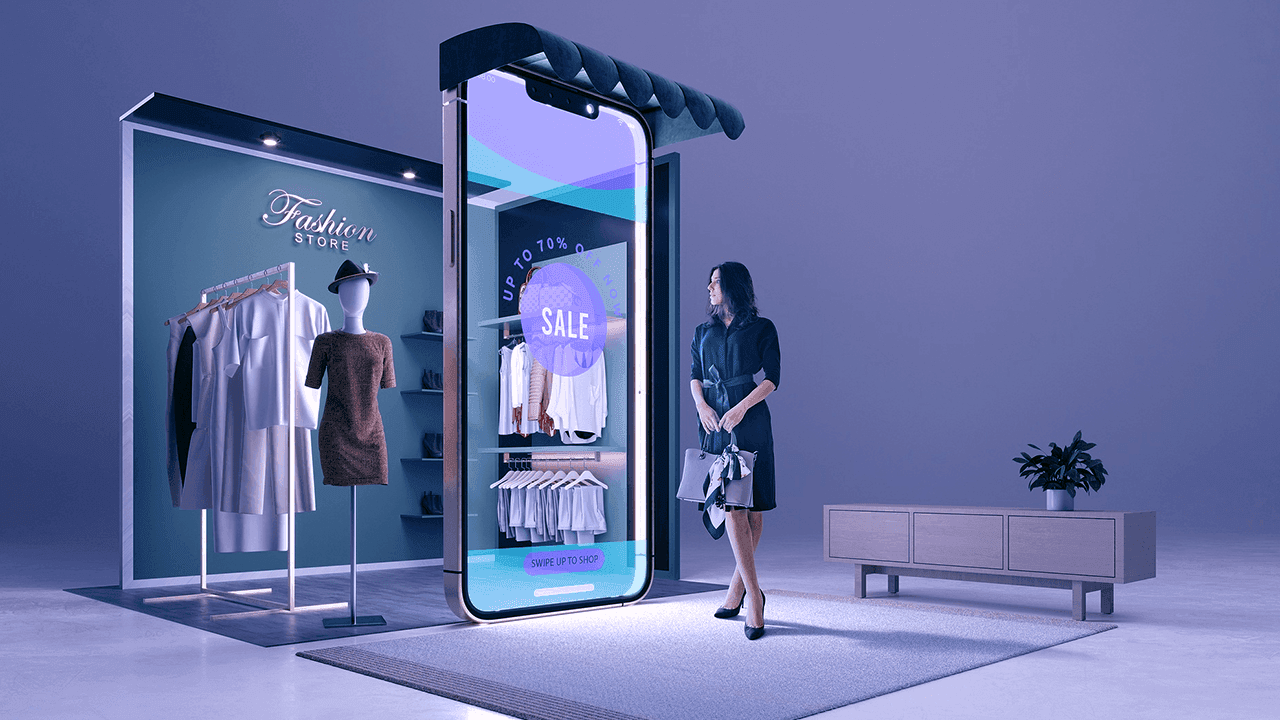
An omnichannel retail solution helps businesses connect online stores, physical stores, mobile apps, marketplaces, customer service, inventory, and order management into one connected retail experience. Instead of treating each sales channel separately, omnichannel retail gives customers a consistent shopping journey across every touchpoint.
This is important because customers often move between channels before making a purchase. They may discover a product on social media, compare it on a website, check availability in a store, buy through a mobile app, and return it at a physical location. Without connected systems, this experience becomes fragmented and difficult to manage.
Below are the key benefits of using an omnichannel retail solution to improve business growth, customer experience, and operational efficiency.
What Is an Omnichannel Retail Solution?
An omnichannel retail solution is a connected system that helps businesses manage sales, inventory, orders, customer data, and service interactions across multiple channels. These channels may include ecommerce websites, mobile apps, physical stores, marketplaces, social media, email, and customer support platforms.
The goal is to create a seamless customer experience while giving the business better control over operations. When all channels share accurate data, teams can manage stock, orders, promotions, and customer communication more efficiently.
Omnichannel Retail vs Multichannel Retail
Multichannel retail means a business sells through different channels, such as a website, marketplace, physical store, or mobile app. However, these channels may work separately.
Omnichannel retail connects those channels so customer data, inventory, orders, and support history stay consistent across the entire shopping journey.
For example, in a multichannel setup, an online order and an in-store purchase may be handled separately. In an omnichannel setup, both interactions are connected under one customer profile, giving the business a complete view of the customer journey.
Common Examples of Omnichannel Retail
Omnichannel retail is used when customers can move between different sales and service channels without losing continuity. For example, a customer may browse a product online, check store availability, buy it through a mobile app, and return it at a physical store.
- Buy online and pick up in store (BOPIS)
- Return online purchases in a physical store
- Check real-time product availability before visiting a store
- Receive personalized product recommendations based on past purchases
- Contact support through chat, email, or store staff with the same order history available
Key Benefits of an Omnichannel Retail Solution
1. Builds a Customer-Centered Retail Experience
A successful omnichannel strategy starts with understanding customer behavior across different channels. Businesses can collect data from websites, stores, email, mobile apps, and customer support interactions to understand what customers view, buy, return, and ask about.
This helps retailers personalize product recommendations, marketing campaigns, promotions, and customer service. Instead of giving every customer the same experience, businesses can create more relevant interactions based on real customer activity.
2. Creates a Centralized Customer View
An omnichannel retail solution helps businesses keep customer information in one centralized system. This may include purchase history, preferences, loyalty activity, support requests, and previous communication with the brand.
A centralized customer view helps sales, marketing, and support teams work with the same information. For example, if a customer buys online and contacts support later, the support team can quickly see the order details and respond with better context.
3. Connects Ecommerce, Inventory, and Customer Support Systems
Omnichannel retail depends on connected technology. Ecommerce platforms, POS systems, inventory management software, order management systems, CRM tools, and customer support platforms need to work together.
When these systems are integrated, businesses can reduce manual updates, avoid duplicate data entry, and improve order accuracy. This also helps teams manage promotions, returns, customer requests, and stock movement more smoothly.
4. Improves Inventory Visibility Across Channels
Inventory management is one of the biggest challenges in omnichannel retail. Customers expect accurate stock information whether they are shopping online, visiting a store, or using a mobile app.
With real-time inventory visibility, businesses can reduce overselling, prevent stockouts, and support services such as buy online, pick up in store, or returning online purchases in store.
5. Delivers Consistent Customer Service
Customers expect support across the channels they use most, including websites, stores, email, social media, mobile apps, and live chat. An omnichannel retail solution helps businesses provide consistent service by giving teams access to shared customer and order information.
This makes it easier to answer questions, resolve issues, process returns, and support customers without asking them to repeat the same information across different channels.
6. Helps Measure and Improve Retail Performance
Omnichannel retail systems make it easier to track performance across sales channels and customer touchpoints. Businesses can measure conversion rates, revenue, customer retention, customer satisfaction, return rates, order accuracy, and engagement.
These insights help retailers understand which channels perform well, where customers drop off, and which areas need improvement. Better reporting supports smarter decisions around marketing, inventory planning, customer service, and operations.
When Does a Business Need an Omnichannel Retail Solution?
A business should consider an omnichannel retail solution when it sells through multiple channels and struggles to keep customer data, inventory, orders, and support activity connected. This is common for retailers that manage ecommerce websites, marketplaces, physical stores, mobile apps, or social media sales at the same time.
Common signs include inaccurate inventory, delayed order updates, disconnected customer records, inconsistent pricing, manual data entry, poor return visibility, and difficulty measuring performance across channels.
Systems Needed to Build an Omnichannel Retail Solution
A successful omnichannel retail setup depends on connected business systems. Retailers often need ecommerce platforms, POS software, inventory management systems, order management tools, CRM software, customer support platforms, and reporting dashboards to work together.
When these systems are integrated, businesses can reduce manual updates, improve stock accuracy, speed up order processing, and deliver a more consistent customer experience.
FAQs About Omnichannel Retail Solutions
What is an omnichannel retail solution?
An omnichannel retail solution connects sales channels, inventory, customer data, orders, and support systems so customers get a consistent shopping experience across online and offline channels.
Why is omnichannel retail important for businesses?
Omnichannel retail is important because customers often interact with a brand through multiple channels before buying. A connected system helps businesses improve customer experience, inventory accuracy, order management, and support quality.
What is the difference between omnichannel and multichannel retail?
Multichannel retail means selling through multiple channels, while omnichannel retail connects those channels into one unified customer and business experience.
Which businesses need an omnichannel retail solution?
Retailers, ecommerce brands, marketplaces, and businesses with physical stores, mobile apps, or multiple sales channels can benefit from an omnichannel retail solution.
Final Thoughts
An omnichannel retail solution helps businesses create a more connected shopping experience while improving internal operations. By centralizing customer data, integrating key systems, improving inventory visibility, and tracking performance, retailers can serve customers more effectively across every channel.
For growing retail and ecommerce businesses, omnichannel systems are not just about adding more sales channels. They are about connecting those channels so customers get a smoother experience and teams can operate with better control.