The Future of AI in Managing Product Returns and Reducing Costs
Learn how AI improves product return management, reduces reverse logistics costs, detects fraud, automates inspection, and improves…
Blog
Learn how AI improves product return management, reduces reverse logistics costs, detects fraud, automates inspection, and improves…
Learn when open-source ERP makes sense for businesses that need deeper customization, integration control, flexible ownership, and…
Learn the key steps, checklist, risks, and best practices for migrating to an open-source ERP system without disrupting business operations.
Learn common open-source ERP security myths and best practices for access control, updates, encryption, hosting, integrations, audits, and…
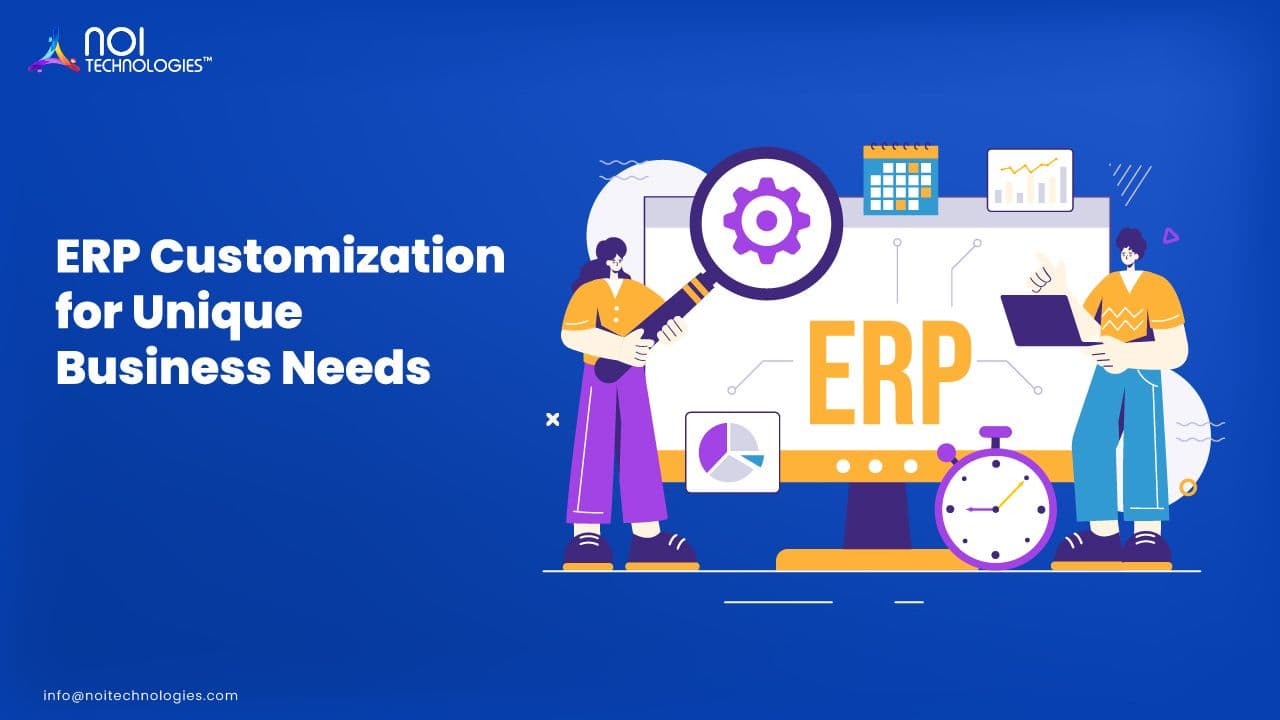
Learn how ERP customization helps businesses improve workflows, integrations, reporting, user experience, scalability, and operational…
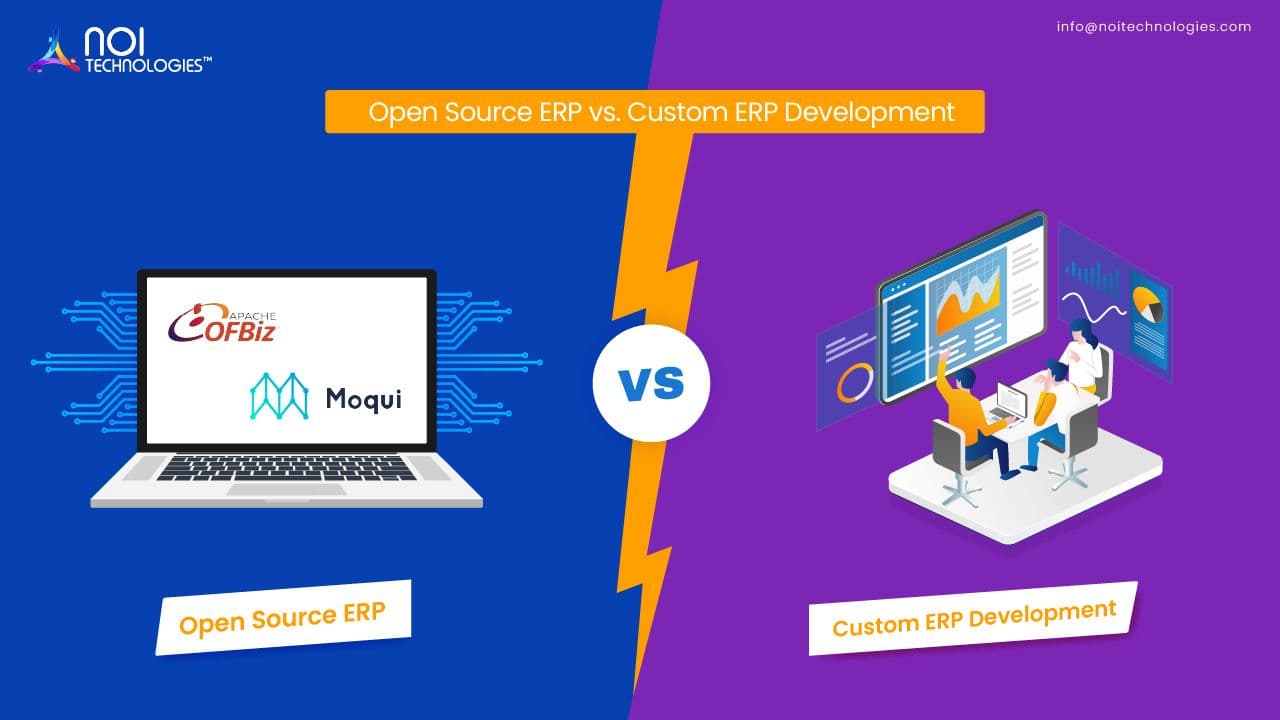
Compare open-source ERP and custom ERP development by starting point, customization, cost, timeline, ownership, support, and long-term…
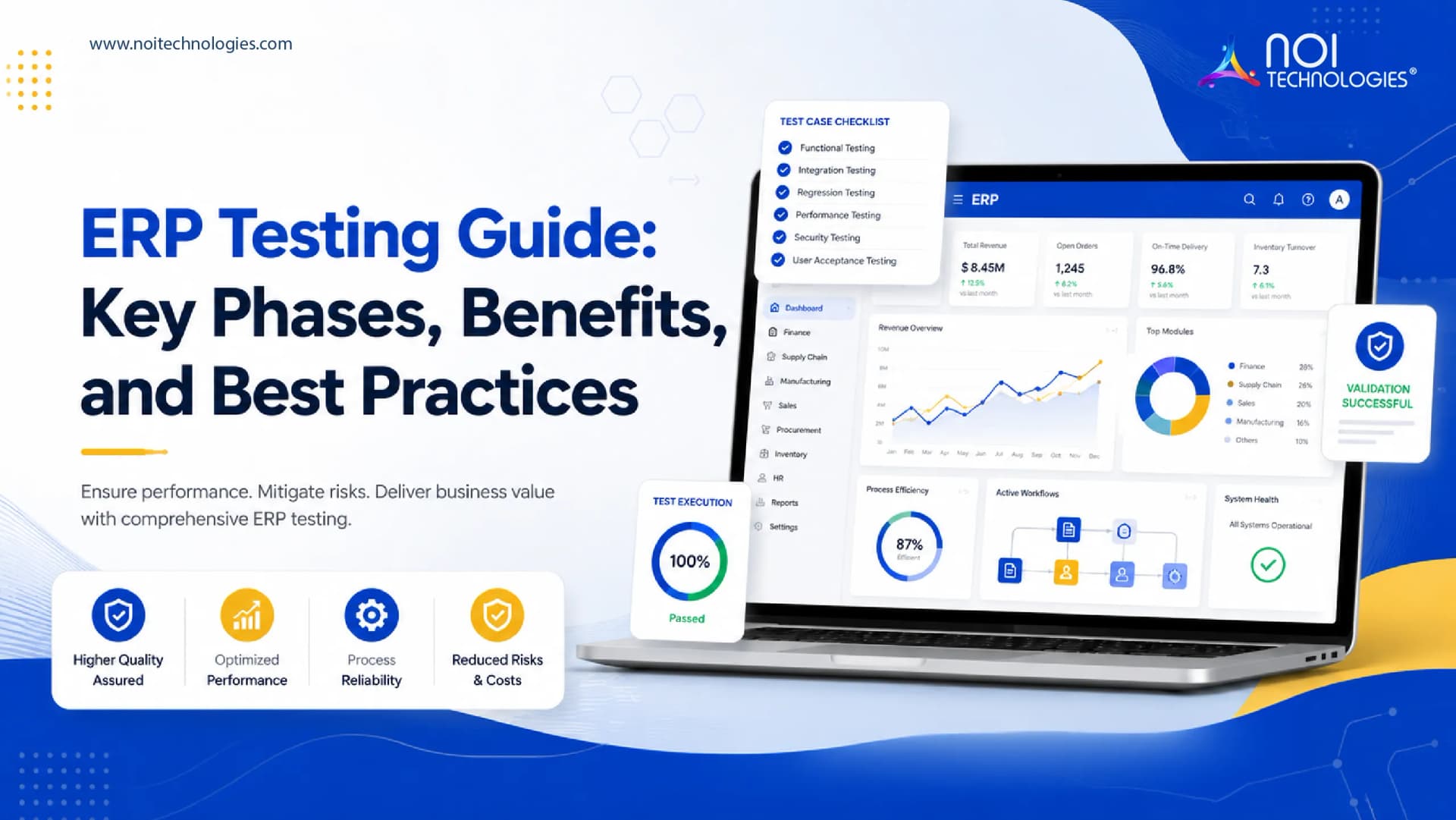
Learn what ERP testing is, key ERP testing phases, testing types, benefits, and best practices for reducing ERP implementation risk.
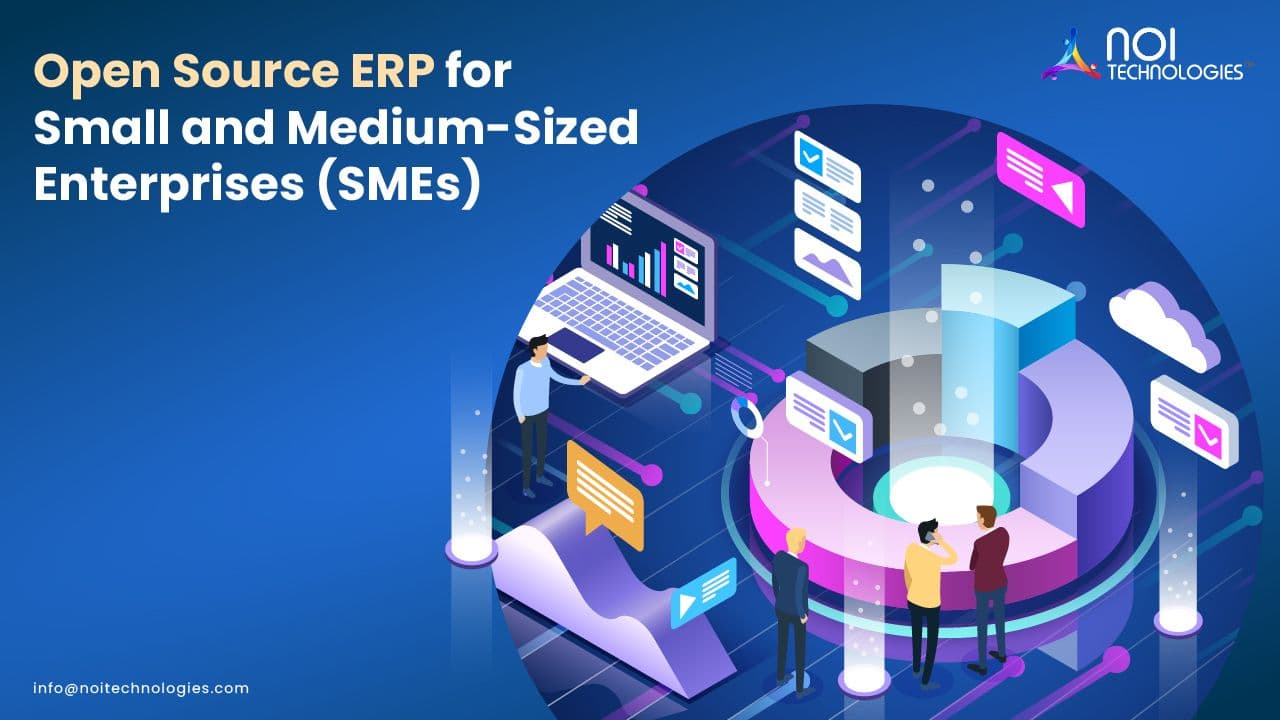
Explore the benefits of open-source ERP for SMEs, including lower costs, customization, scalability, security transparency, and flexible…
Learn why businesses choose Moqui Framework for ERP development, including customization, modular architecture, integrations, security, and…
NOI Technologies LLC was recognized by Techreviewer.co as a top Shopify developer for 2024, highlighting its ecommerce development…
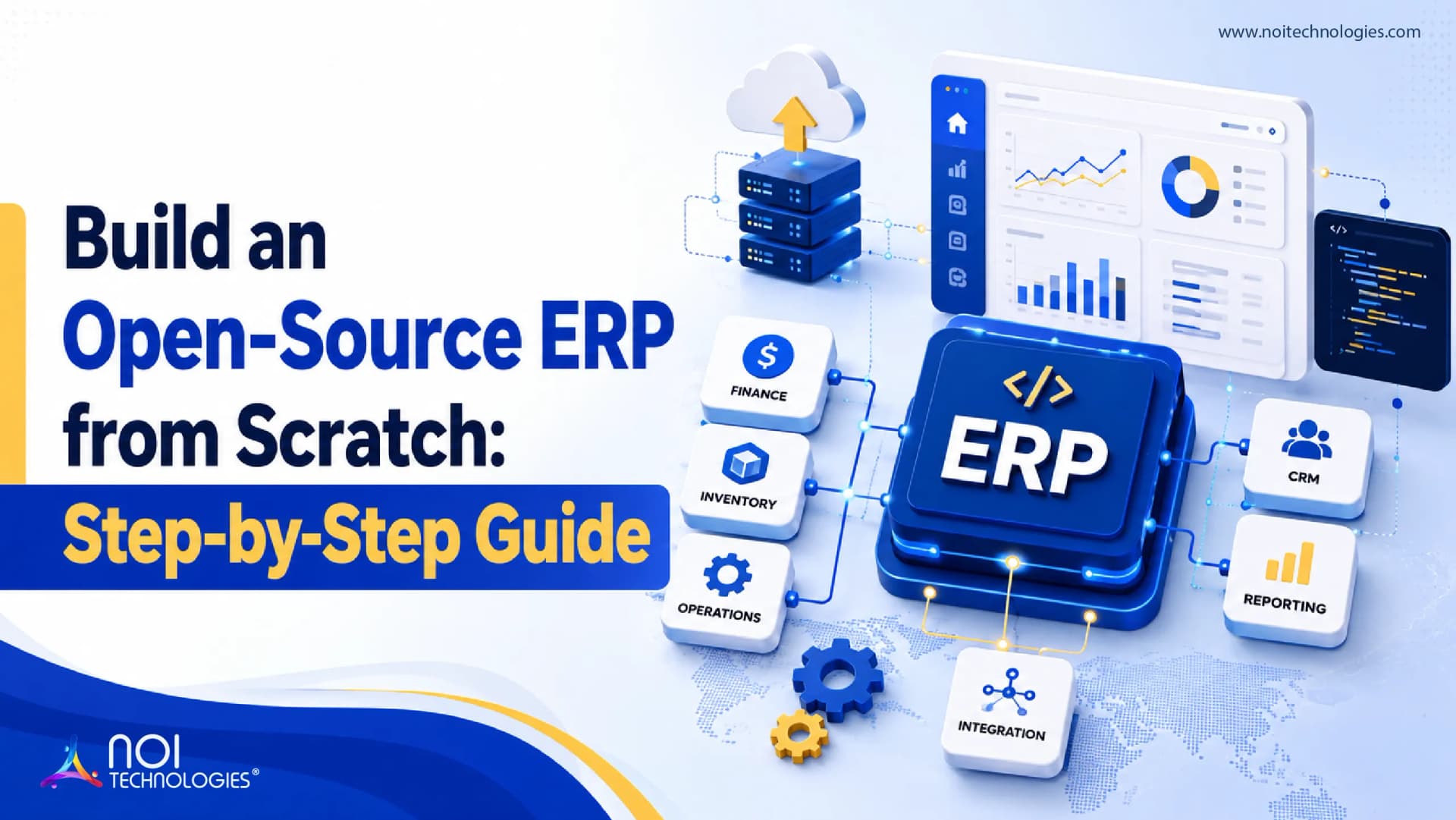
Learn how to build an open-source ERP from scratch, from requirements and tech stack selection to modules, integrations, testing, and…
Learn how open-source ERP supports ecommerce operations through connected inventory, orders, finance, suppliers, fulfillment, returns, and…